


Understanding the Basics of Raw Diets for Pets: A Guide for Beginners
Feb 13
7 min read
Updated: Apr 15
Feeding pets has evolved beyond traditional kibble and canned food. Many pet owners now explore raw diets, for more natural nutrition and health benefits. If you are new to this approach, understanding the basics of raw diets for pets is essential and easy. This guide breaks down what a raw diet involves, its potential benefits, risks, and practical tips for beginners.
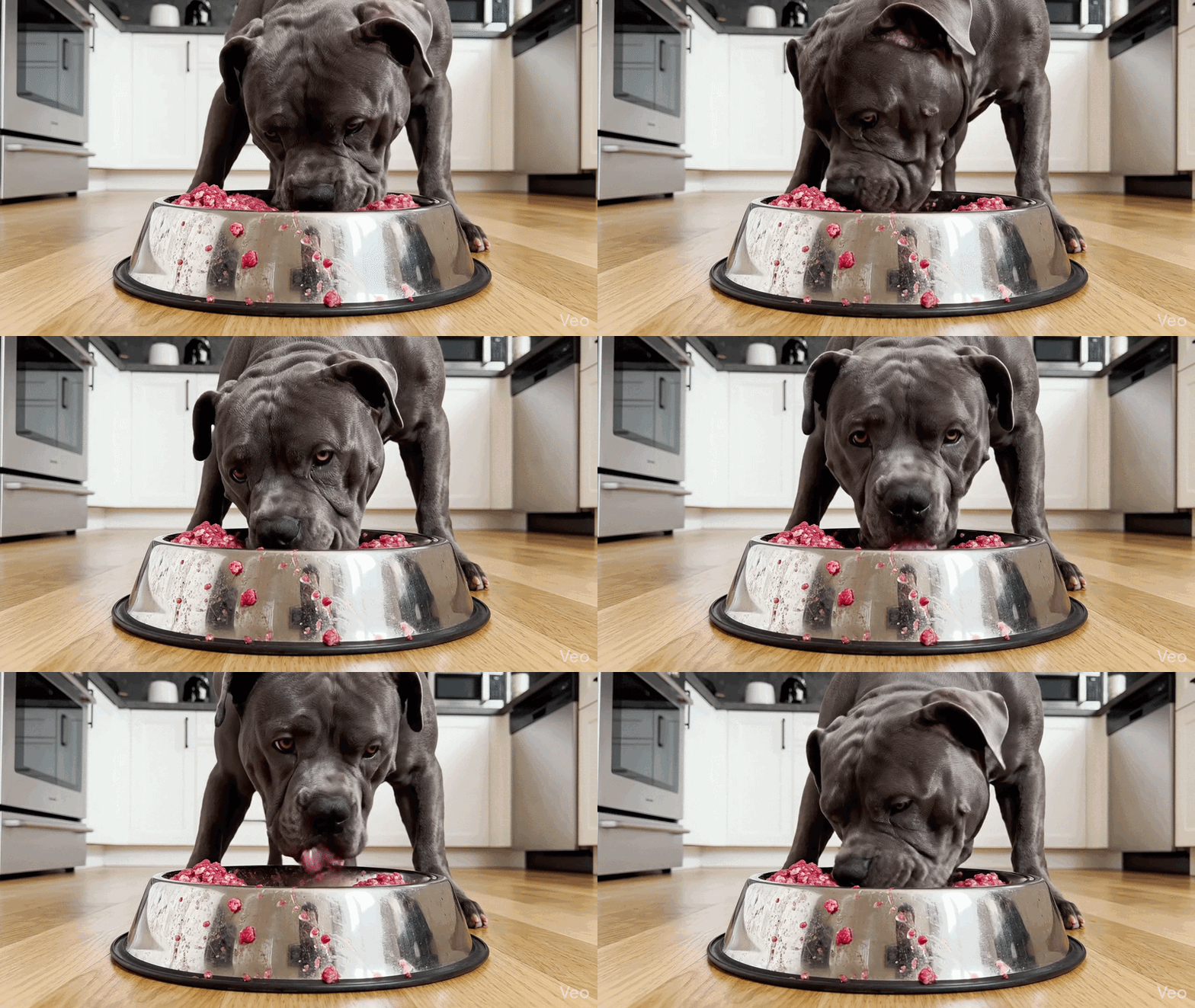
What Is a Raw Diet for Pets?
A raw diet, often called a BARF diet (Biologically Appropriate Raw Food or Bones and Raw Food), consists mainly of uncooked ingredients that mimic what wild animals would eat. This diet typically includes:
Raw muscle meat (chicken, beef, turkey, etc.)
Raw meaty bones (chicken wings, necks, etc.)
Organ meats (liver, kidney)
Vegetables and fruits in small amounts
The goal is to provide pets with food that is as close to their ancestral diet as possible, avoiding processed ingredients, fillers, and artificial additives.
Why Consider a Raw Diet?
Many pet owners switch to raw diets because they believe it improves their pet’s health in several ways:
Better digestion: Raw food is often easier for pets to digest compared to processed kibble.
Healthier skin and coat: The natural oils and nutrients in raw meat can improve fur shine and reduce skin issues.
Increased energy: Some pets show more vitality and stamina on a raw diet.
Cleaner teeth: Chewing raw meaty bones can help reduce plaque buildup.
Weight management: Raw diets can help maintain a healthy weight by avoiding excess carbohydrates. Raw diets build muscle and definition.
Let's talk Poop! One of the most celebrated perks of a raw diet is the dramatic change in the backyard cleanup. Because raw food is free from fillers and toxins—like mold often found in kibble—your dog's body actually uses what it eats. The result? Smaller, odorless stools that naturally decompose into dust within days. Instead of huge, stinking piles that represent half your monthly pet food budget, raw-fed dogs produce small, hard, oderless poops that turn to dust in forty-eight hours. You’re no longer paying for "food" that just ends up as a smelly pile of waste in your yard.
If you’ve ever wondered about feeding your pet a more natural, raw diet, you’re not alone. The Raw diet has been gaining popularity among pet owners who want to provide their pets with wholesome, species-appropriate nutrition. But what exactly is the raw diet? How do you get started? And is it really the best choice for your pet’s health? Let’s dive into the world of raw feeding and explore the raw diet basics for pets together.
I remember when I first heard about the raw diet. It sounded a bit intimidating and internet research made it feel like I needed a PHD to understand it—proteins, bones, organs, percentages, balanced, vitamins, minerals? But as I learned more, I realized it’s about going back to the roots of what our pets’ ancestors ate. It’s about giving them food that’s fresh, natural, and packed with nutrients. If you’re searching and overwhelmed, you’re in the right place!
Raw Diet Basics for Pets: What You Need to Know
The Raw diet is a feeding approach that mimics what wild dogs and cats would eat in nature. Instead of processed kibble or canned food, raw focuses on raw meat, bones, organs, and fresh or fermented vegetables.
Why consider this diet? Many pet owners report improved digestion, shinier coats, healthier teeth, and more energy in their pets after switching to raw. Plus, it’s a way to avoid the fillers, preservatives, and artificial ingredients found in many commercial pet foods.
Here’s a quick rundown of the main components of the raw diet:
Raw meaty bones: These provide calcium and help keep teeth clean.
Muscle meat: The main source of protein.
Organs: Liver, kidney, and other organs supply essential vitamins and minerals.
Vegetables and fruits: These add fiber, antioxidants, and other nutrients.
Supplements: added to balance the diet, like Heaven Sent Life Guard and Para-Cleanse
One thing I love about the raw diet is how customizable it is. You can tailor it to your pet’s specific needs, preferences, and health conditions. You can start with a premade grind as your base and add to it.

What is the Raw Diet Example?
To make this more concrete, let’s look at a typical raw meal for a dog. A balanced raw meal might include:
70%-80% muscle meat (beef, lamb, or turkey)
10%-20% organ meat (such as liver or kidney)
10%-15% raw meaty bones (like chicken backs or wings)
5% vegetables (carrots, spinach, or pumpkin)
For cats, the ratio shifts a bit since they are obligate carnivores. Their meals usually contain more meat and organs, with very little to no vegetables.
Use our custom Raw Feeding Calculator
Make it a 'No-Brainer' and use our Raw Feeding Calculator to show you exactly what to purchase with links to get started right away.

All of our Pre-Ground Blends are based on the above percentages. So, buying pre-ground mixes are a great place to start providing you with a good balance of protein, fat, calcium, and vitamins. Of course, you’ll want to adjust portions based on your pet’s size, age, and activity level. Our mixes come in 2lb resealable containers, which makes it easy for thawing and portioning out.
Transition Packages
Buy Now
How to Transition Your Pet to the Raw Diet
Switching your pet to a raw diet can be exciting but requires patience. Sudden changes can upset their stomach, so a gradual transition is best, although not required.
Here’s a simple step-by-step plan:
Start with our Transition Package: We put this package together with instructions to make the Transition period super easy for you and your pet. It includes our 80/10/10 Raw Blends, raw bones, raw treats, our Transition Blend supplement, Pro-biotics/Enzymes and Gut Sooth. If you're dealing with allergies, we can customize your package to every detail your pet needs to get on the road to healing and health.
Start slow: Mix a small amount of raw food with your pet’s current diet. Add in plain whole milk yogurt and plain canned pumpkin from the grocery store.
Increase gradually: Over 7-10 days, increase the raw portion while decreasing the old food.
Observe: Watch for any digestive issues like looser stools.
Stay consistent: Once fully transitioned, you can subscribe to our 80/10/10 Prey Model Blends to receive your meals every month.
Remember, every pet is unique. Some adapt quickly, while others take more time. Don’t rush it!
Common Myths and Concerns About the Raw Diet
I’ve heard plenty of questions and concerns about feeding raw. Let’s clear up some common myths:
Myth: Bones are dangerous.
When fed RAW, raw meaty bones are safe and are a major portion of raw feeding. Cooked bones, however, can splinter and cause harm even death.
Myth: Raw diets lack nutrients.
A Pre-Ground raw diet includes all necessary nutrients. Extra organ meats and herbal supplements fill any gaps.
Myth: Raw food is expensive and time-consuming.
Pre-Ground raw takes the time, expense and hassle out of finding all the ingredients, grinding them yourself, prepping and storing your daily meals. Raw feeding replaces all your vet bills. Raw feeding is less expensive than the thousands of "High end" kibbles (that are basically all the same, cooked, dead tummy filler)
Everyone who switches finds the peace of mind they've been searching for, knowing they are feeding the best possible diet. How do they know this? The clear improvements in their pet's health are drastically evident. Pet owners find the health benefits well worth the switch and never go back to kibble feeding again.
Myth: Raw diets can cause bacterial infections like Salmonella & E-Coli
Proper hygiene and sourcing quality food reduces risks to you, the human who can be susceptible to these infections. Pets’ digestive systems are designed to handle the raw food. Their stomach acids are the lowest ph found on earth which takes care of bacteria's.
If your pet is immune compromised, making sure you have a quality raw food is your best way of improving their health!
If you’re still unsure, chatting with a holistic vet or a raw feeding expert can provide personalized guidance. You can book a call with us and we can guide you to the best path for starting raw feeding with your pet with confidence.
I also recommend keeping a feeding journal. Note what you feed, how your pet reacts, and any changes in behavior or health. It’s a great way to fine-tune the diet. We will be launching our exclusive Pet Wellness Journal to accompany our Pet Wellness App soon.

The Pet Wellness App: Your Personalized Path to Vitality Experience a one-of-a-kind approach to pet care with our exclusive Pet Wellness App. After completing a brief health questionnaire, the app analyzes your pet's specific needs and generates a custom, printable "Roadmap to Health." This actionable guide includes targeted protocols and curated product recommendations designed for results. We don’t just provide a plan; we provide ongoing support to ensure your pet’s success. Take the first step toward a healthier, happier life for your companion today. Don’t wait to give your pet the relief they deserve. ...and it's free, no excuses.
If you’re ready to Start feeding raw, remember it’s a journey. You’re giving your pet a gift of natural nutrition, vitality and extended quality of life. With a little effort and care, you’ll see the difference in their health and happiness almost immediately!
Happy feeding!

My Vision for Healthy Pets
I created a second business called Heaven Sent Healthy Pet to give my puppy families an easy way to insure they are feeding a proper raw diet very easily. At Heaven Sent Healthy Pet, our mission extends far beyond simply providing species-appropriate raw food. We are driven by a profound commitment to holistic pet wellness, focusing on healing the entire animal, not just optimizing their diet.
Our ultimate goal is to empower you to provide your cherished companions with the healthiest possible life. We believe in fostering resilience and vitality from the inside out. Imagine a future with fewer routine veterinary visits for preventable illnesses, a dog thriving free from chronic allergies, debilitating digestive issues, or the burden of certain diseases. That's the profound impact we aspire to create, one Heaven Sent pet at a time.


Comments